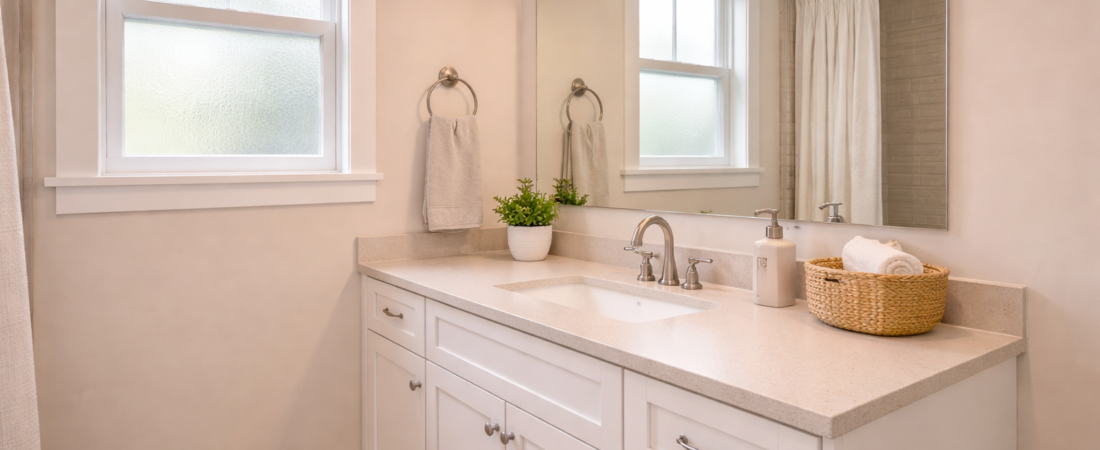
Home safety is often associated with major hazards or emergencies, but most safety issues develop gradually through everyday wear, overlooked maintenance, or small environmental changes. Practical home care plays an important role in keeping living environments safe without creating unnecessary concern or disruption.
This article explains how home safety fits into routine household care, how risks tend to develop over time, and what supports safe living environments in a calm, practical way.
Everyday Household Safety
Everyday household safety is shaped by how a home is used rather than by rare events. Common risks often relate to movement, visibility, surfaces, and access rather than structural failure.
Practical safety focuses on:
-
Clear pathways and usable spaces
-
Stable surfaces and fittings
-
Adequate lighting
-
Reliable everyday systems
When these basics are supported, homes tend to remain safe without requiring constant attention.
Ageing Homes and Safety Awareness
As homes age, materials and systems respond to ongoing use and environmental exposure. Small changes can affect safety gradually, often without obvious warning.
Examples include:
-
Worn flooring that becomes slippery
-
Loose fittings that reduce stability
-
Reduced lighting effectiveness
-
Changes in door or window operation
Safety awareness involves noticing these changes early and responding before they affect daily use. This awareness supports prevention rather than reaction.
Slips, Wear, and Practical Risks
Many household risks arise from normal wear rather than sudden damage. Slips, trips, and minor impacts are often linked to surfaces, transitions, and changes in level.
Practical care helps reduce these risks by:
-
Maintaining consistent surface conditions
-
Keeping floors clear and usable
-
Ensuring transitions between rooms are easy to navigate
-
Addressing small issues before they worsen
These actions reduce risk without requiring major alterations.
Safe Living Environments
A safe living environment supports movement, visibility, and confidence. Safety does not require eliminating all risk, but it does involve reducing unnecessary hazards.
Safe environments often share common characteristics:
-
Spaces are easy to move through
-
Lighting supports visibility at different times of day
-
Storage does not obstruct use
-
Fixtures remain secure and functional
When safety is integrated into everyday care, it becomes part of how the home functions rather than a separate concern.
Maintaining Safety Without Alarm
Home safety discussions can sometimes create unnecessary worry. Practical care aims to support calm awareness rather than alarm.
Maintaining safety without alarm involves:
-
Addressing issues early and proportionally
-
Focusing on realistic risks rather than unlikely scenarios
-
Integrating safety checks into routine care
-
Avoiding overcorrection or constant intervention
This balanced approach helps maintain confidence in the home environment.
Safety as Part of Ongoing Care
Safety is not a one-time assessment. It evolves as homes and routines change. Integrating safety into ongoing care ensures that risks are managed steadily rather than reactively.
Small adjustments made consistently are often more effective than large changes made infrequently. This approach supports both safety and usability.
Supporting Confidence Through Practical Care
Homes that feel safe support confidence and independence. When environments are predictable and manageable, daily activities feel easier and less stressful.
Practical care contributes to this confidence by reducing uncertainty and allowing issues to be addressed calmly. Over time, this supports a living environment that feels reliable and supportive.
Looking Ahead
Home safety is closely connected to preventative maintenance and household systems. In the next articles, we will explore how checklists, routines, and simple systems help maintain safety and care without creating overwhelm.
Together, these topics complete a practical framework for maintaining safe, comfortable living environments through steady, everyday care.