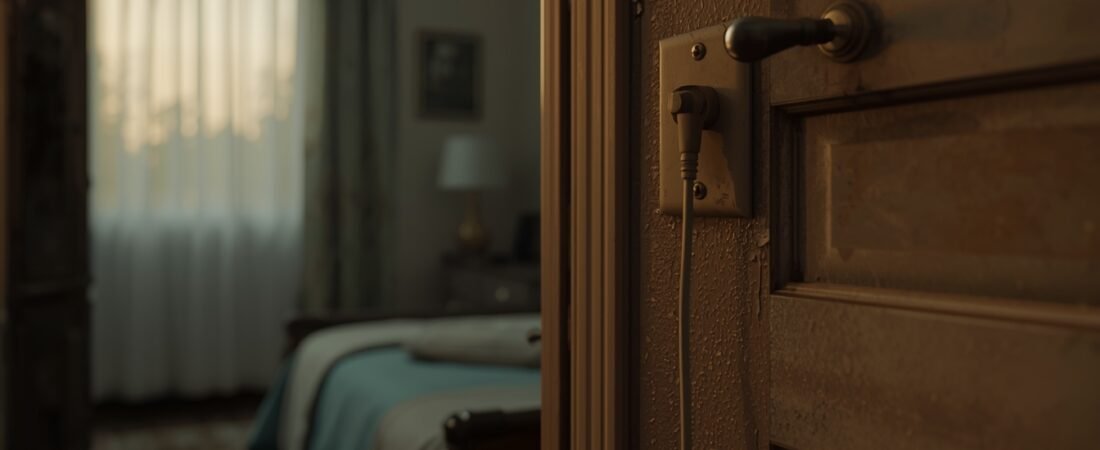
A safe living environment is one where household systems, fixtures, and spaces support everyday activities comfortably. Most homes are designed with this goal in mind, and many safety features operate quietly in the background.
Understanding what contributes to a safe living environment can help homeowners remain aware of how their home functions without needing complicated maintenance routines.
The Role of Household Design
Many elements of home design contribute to everyday safety. Doorways allow smooth movement between rooms, lighting supports visibility, and flooring materials provide stable surfaces for walking.
Common features that support safe living include:
- Stable flooring in frequently used areas
- Well-positioned light switches and fixtures
- Secure door hardware
- Accessible electrical outlets
These features are usually designed to operate reliably with minimal attention.
For a broader explanation of household safety, see Home Safety and Practical Care: Maintaining Safe Living Environments.
Lighting and Visibility
Lighting plays an important role in helping people move comfortably through the home. Hallways, stairways, and entryways often include light switches positioned for convenient access.
Over time, homeowners may notice small changes in lighting fixtures or switches as they experience regular use.
Examples include:
- Switches feeling slightly looser
- Lamps or fixtures moving slightly during cleaning
- Bulbs being replaced as part of normal use
These small adjustments are part of everyday living.
Maintaining reliable lighting helps support visibility throughout the home.
Clear Pathways and Household Layout
A safe living environment also depends on clear pathways between rooms. Hallways, doorways, and shared spaces allow people to move easily through the home.
In most homes, furniture and household items naturally settle into arrangements that support comfortable movement.
Occasionally reviewing how rooms are arranged helps maintain clear paths for walking between spaces.
Secure Fixtures and Hardware
Many small components contribute to a stable home environment. Door handles, cabinet hardware, and electrical outlet plates are used frequently but may not receive much attention.
Over time these components may shift slightly due to repeated use.
Examples include:
- Handles loosening slightly
- Outlet plates shifting on walls
- Hinges adjusting with movement
Observing these fixtures occasionally helps maintain familiarity with the home.
Comfort and Safety Working Together
Safety in the home often develops through a combination of design, awareness, and everyday routines. When people are familiar with their surroundings, they naturally move through the space comfortably.
This familiarity helps individuals recognise when something feels different.
By observing lighting, pathways, and fixtures occasionally, homeowners can support a living environment that remains comfortable and practical.
A Calm Approach to Household Safety
Maintaining a safe living environment does not require constant attention. In many homes, safety is supported through simple awareness of how the environment functions.
Recognising how lighting, pathways, and fixtures work together allows homeowners to maintain a balanced perspective on household safety.
This calm awareness helps ensure that homes remain practical and comfortable places to live.