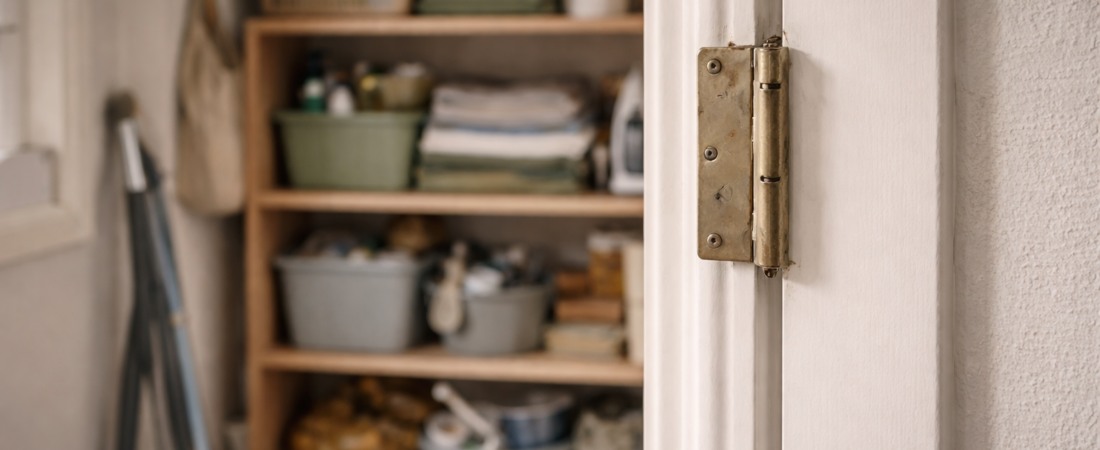
Household maintenance is rarely ignored on purpose. In most homes, it fades into the background rather than being actively avoided. Things work, routines settle, and attention moves elsewhere.
Because maintenance usually prevents problems rather than creating visible improvements, it is easy to postpone without feeling immediate consequences.
Maintenance Doesn’t Announce Itself
Most household systems fail quietly at first. Small changes in noise, performance, or appearance are easy to miss during everyday life.
A door still opens, a machine still runs, and a surface still looks acceptable. Without a clear signal that something is wrong, maintenance feels optional rather than necessary.
Everyday Life Rewards What Feels Urgent
Daily tasks compete for limited attention. Cleaning messes, paying bills, and managing schedules feel urgent because their effects are immediate.
Maintenance often sits outside this urgency. It rarely affects the same day, or even the same month, which makes it easier to defer without discomfort.
Maintenance Work Has No Clear Finish Line
Unlike cleaning or organising, maintenance rarely produces a visible “done” moment. The result is often that nothing changes.
When effort does not create a noticeable outcome, it is harder to prioritise, even if the long-term value is high.
Systems Are Designed to Be Ignored Until They Fail
Modern household systems are built to run quietly and reliably. This convenience reduces the need for constant attention, but it also removes natural reminders.
When systems are silent and hidden, they disappear from daily awareness until a breakdown forces attention back onto them.
Maintenance Is Often Mentally Categorised as “Later”
Many people mentally group maintenance as something to be handled when time allows. Because that time rarely arrives on its own, the task remains deferred.
This does not reflect carelessness. It reflects how human attention naturally favours tasks with clear timing and immediate feedback.
Overlooking Maintenance Is a Structural Pattern
Maintenance is overlooked not because it lacks importance, but because of how it fits into everyday life.
It is quiet, preventative, and slow-moving. Without deliberate space in routines, it naturally drifts out of focus.
Understanding this pattern helps explain why maintenance gaps appear even in well-run households, and why household maintenance matters even when nothing seems wrong.