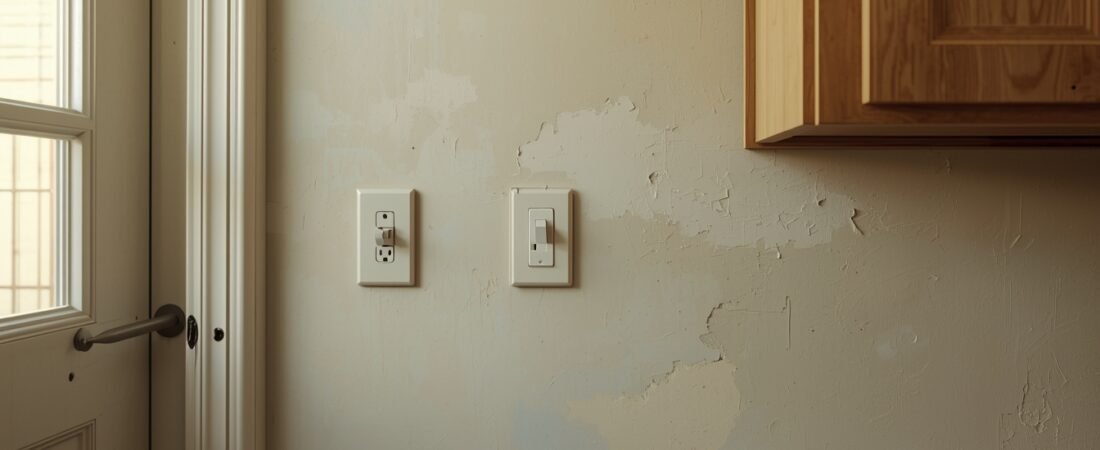
Most homes contain many systems and materials that are used every day. Doors are opened and closed repeatedly. Appliances run regularly. Floors experience constant foot traffic. Because of this steady use, small changes gradually appear throughout the home.
These changes are part of normal wear. Understanding how wear develops over time can help homeowners recognise what is typical in a lived-in home and what might eventually require attention.
What Wear Means in a Home
Wear refers to the gradual changes that occur as materials and components are used over time. These changes usually develop slowly and may not be noticeable at first.
Common examples of everyday wear include:
- Door hinges loosening slightly
- Appliance buttons becoming less firm
- Flooring showing subtle scuff marks
- Cabinet handles becoming slightly loose
- Window seals losing some flexibility
These changes do not necessarily indicate a problem. In most homes, they are simply signs that the space is being used regularly.
For a broader overview of how these changes fit within general home care, see Home Maintenance Basics: What Caring for a Home Really Involves.
Why Wear Happens Naturally
Household materials are designed to function through repeated use, but no material lasts indefinitely. Each time something is used, small amounts of friction, pressure, or movement occur.
Over long periods, these repeated actions gradually affect components.
Examples include:
- Hinges moving thousands of times during normal use
- Appliances heating and cooling repeatedly
- Electrical switches being pressed daily
- Seals expanding and contracting with temperature changes
These processes occur slowly, often over many years.
Because wear develops gradually, homeowners may only notice it when something begins to feel slightly different from how it once did.
How Wear Appears in Everyday Spaces
Wear can appear in almost any part of a home. Often it is most noticeable in areas that are used frequently.
Examples of common locations include:
Kitchen areas Frequent appliance use can lead to gradual changes in control panels, handles, or seals.
Bathrooms Moisture and daily use can slowly affect fixtures, taps, and ventilation systems.
Hallways and entry points Doors and flooring in these spaces may experience heavier daily traffic.
Laundry areas Appliances that run regularly may show gradual changes in sound or performance.
These patterns simply reflect how homes are lived in.
The Difference Between Wear and Damage
It is helpful to distinguish between normal wear and sudden damage. Wear develops slowly over time, while damage typically occurs as the result of a specific event.
Examples of normal wear include:
- A hinge loosening gradually
- A seal becoming less flexible
- Buttons on appliances becoming less responsive
Damage, on the other hand, may include:
- A cracked component
- A broken latch
- A disconnected electrical outlet
Recognising this difference helps homeowners respond appropriately without assuming that normal wear indicates a serious issue.
Monitoring Changes in Household Systems
Although wear is expected, paying attention to small changes can help homeowners maintain awareness of their home's condition.
Many people naturally notice changes such as:
- A door beginning to close differently
- An appliance making a slightly different sound
- A control knob feeling loose
Observing these small changes does not necessarily require immediate action. However, awareness helps people understand how their home evolves over time.
This awareness also supports routine care practices described in Why Small Tasks Matter, where small adjustments and regular checks can help maintain household systems.
Accepting That Homes Change Over Time
Homes are dynamic environments. As people live in them, materials respond to everyday use.
Recognising that gradual change is normal helps homeowners approach maintenance calmly. Instead of expecting everything to remain exactly the same, it becomes easier to understand that systems age slowly and predictably.
When homeowners understand wear over time, they often feel more comfortable maintaining their home without worrying about every small change they notice.