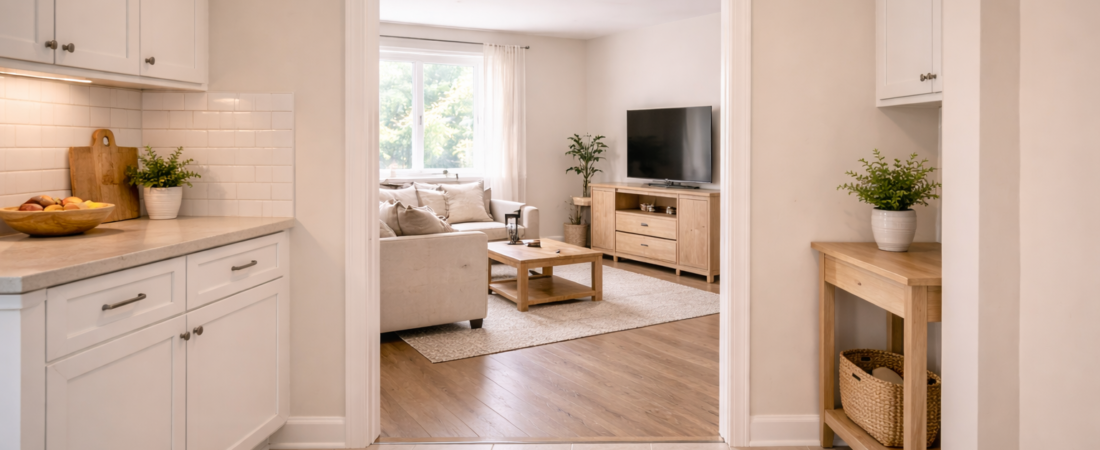
Every room in a home experiences wear in different ways. Kitchens deal with moisture and frequent use, bathrooms face humidity and cleaning demands, and living areas absorb daily movement and activity. Treating all rooms the same often leads to missed issues or unnecessary effort.
This article explains room-by-room home care from a practical perspective. It focuses on how everyday maintenance supports function, safety, and comfort across different spaces without turning home care into a constant task.
Why Room-Specific Care Matters
Each room supports different activities, materials, and systems. As a result, wear patterns vary significantly from one space to another. Maintenance that works well in one room may be unnecessary or ineffective in another.
Room-specific care helps focus attention where it is most useful. It reduces wasted effort and increases the likelihood that small issues are noticed early. When care aligns with how a room is used, maintenance becomes simpler and more effective.
Understanding these differences allows home care to be distributed evenly rather than concentrated in response to problems.
Kitchen Care Basics
The kitchen is one of the most demanding spaces in the home. Frequent cooking, cleaning, and appliance use create ongoing exposure to heat, moisture, and movement.
Practical kitchen care focuses on:
-
Monitoring surfaces for wear or damage
-
Keeping ventilation clear and functional
-
Checking seals, hinges, and moving parts
-
Maintaining cleanliness to prevent buildup
Small, regular checks help prevent issues from developing unnoticed in high-use areas.
Bathroom Wear and Maintenance
Bathrooms experience constant exposure to moisture, making them more vulnerable to gradual deterioration. Ventilation, surfaces, and fixtures all require consistent attention.
Effective bathroom care includes:
-
Watching for signs of excess moisture
-
Ensuring ventilation is working properly
-
Checking seals and joints for wear
-
Keeping storage and surfaces easy to clean
These steps help preserve materials and reduce the likelihood of long-term damage.
Living Areas and General Upkeep
Living areas tend to experience steady, low-intensity wear rather than concentrated stress. Furniture movement, foot traffic, and everyday use gradually affect surfaces and fixtures.
Maintenance in these spaces often involves:
-
Observing changes in flooring or finishes
-
Keeping pathways clear and functional
-
Checking fittings and fixtures periodically
-
Addressing minor issues before they spread
Because living areas are used daily, subtle changes are often easiest to notice here.
Bedroom Maintenance Considerations
Bedrooms are typically lower-impact spaces, but they still benefit from routine care. Attention here supports comfort and prevents small issues from becoming disruptive.
Bedroom care may include:
-
Monitoring windows and ventilation
-
Checking storage areas for wear
-
Maintaining flooring and surfaces
-
Ensuring lighting and fixtures remain reliable
Keeping bedrooms in good condition supports rest and reduces the need for later intervention.
Storage Areas and Utility Spaces
Storage areas, garages, and utility spaces are often overlooked because they are used less frequently. However, neglect in these areas can lead to unnoticed problems.
Practical care for these spaces focuses on:
-
Checking for moisture or pest activity
-
Ensuring adequate ventilation
-
Monitoring structural elements and fittings
-
Keeping stored items from blocking access or airflow
Periodic attention helps prevent issues from developing out of sight.
Avoiding Over-Care in Low-Impact Spaces
Not all rooms require the same level of maintenance. Over-care can waste time and energy without improving outcomes.
Effective home care prioritises:
-
High-use and high-risk areas
-
Rooms exposed to moisture or movement
-
Systems that affect safety and comfort
Balancing attention across spaces keeps maintenance practical and sustainable.
Keeping Room-Based Care Manageable
Room-by-room care works best when it is integrated into normal routines rather than treated as a separate project. Brief observations made during everyday use often provide enough information to guide maintenance.
When care is spread across rooms and time, it becomes easier to manage. Small actions taken consistently reduce the need for disruptive repairs later.
Looking Ahead
Understanding how maintenance differs by room helps distribute effort more effectively across the home. In the next articles, we will explore preventative maintenance, safety-focused care, and how household systems support long-term upkeep.
Together, these topics build a calm, realistic approach to caring for a home one space at a time.