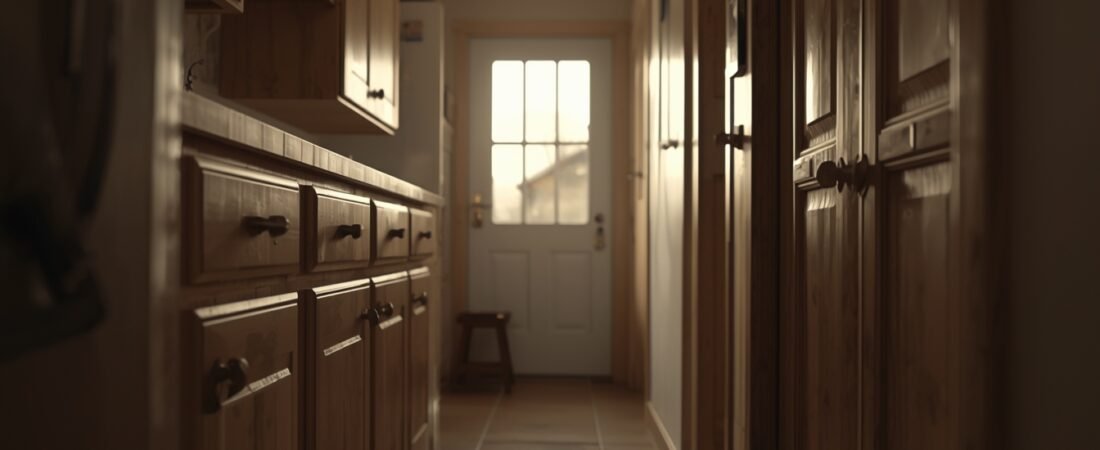
The kitchen is one of the most frequently used areas in most homes. Appliances operate regularly, cabinets are opened and closed many times each day, and surfaces are used for a wide range of activities.
Because of this constant use, the kitchen naturally experiences gradual wear. Understanding the basics of kitchen care can help homeowners maintain the space without needing to perform complex maintenance tasks.
Why Kitchens Experience Frequent Wear
Kitchens contain many moving components and appliances that are used repeatedly throughout the day.
Examples include:
- Cabinet doors and drawer mechanisms
- Appliance control panels and handles
- Water fixtures such as taps and valves
- Ventilation systems for cooking
Because these elements are used so often, they may experience gradual changes over time.
For a broader overview of how household spaces require ongoing care, see Room-by-Room Home Care: Practical Maintenance for Everyday Spaces.
Cabinets and Drawer Hardware
Cabinets and drawers are opened and closed frequently during normal kitchen use. Over time, hinges and drawer mechanisms may loosen slightly.
Common observations include:
- Cabinet doors shifting slightly out of alignment
- Drawer handles becoming loose
- Hinges making small sounds during movement
These changes usually develop slowly and are often easy to address with simple adjustments.
Keeping an eye on cabinet hardware helps maintain smooth operation.
Appliance Controls and Surfaces
Kitchen appliances often contain buttons, knobs, and control panels that receive regular use.
With time, these components may feel slightly different due to normal wear.
Examples include:
- Control knobs that rotate more freely
- Buttons that feel less firm
- Appliance handles that loosen slightly
These changes do not necessarily indicate a problem. They are often simply signs of regular use.
Occasionally checking appliance surfaces and controls helps homeowners remain aware of how these systems normally operate.
Ventilation and Airflow
Cooking generates heat and moisture, which is why many kitchens include ventilation systems such as range hoods or extractor fans.
These systems help move air and maintain comfort in the kitchen environment.
Over time, ventilation areas may collect dust or residue. Observing these areas occasionally can help ensure that airflow remains unobstructed.
Many homeowners simply notice these areas during regular cleaning routines.
Water Fixtures and Seals
Kitchen taps and sinks are also used frequently. Over long periods of use, small components may gradually change.
For example:
- Tap handles may loosen slightly
- Rubber seals may stiffen with age
- Valves may feel different when turned
These changes usually occur gradually and are part of the normal life of plumbing fixtures.
Recognising these changes helps homeowners understand the natural ageing of household systems.
Maintaining a Comfortable Kitchen Environment
Kitchen care does not require constant attention. Instead, it usually involves simple awareness of the systems that support daily cooking and food preparation.
By occasionally observing cabinets, appliances, ventilation areas, and fixtures, homeowners can maintain familiarity with the condition of their kitchen.
This calm awareness helps the kitchen remain a comfortable and functional space for everyday use.