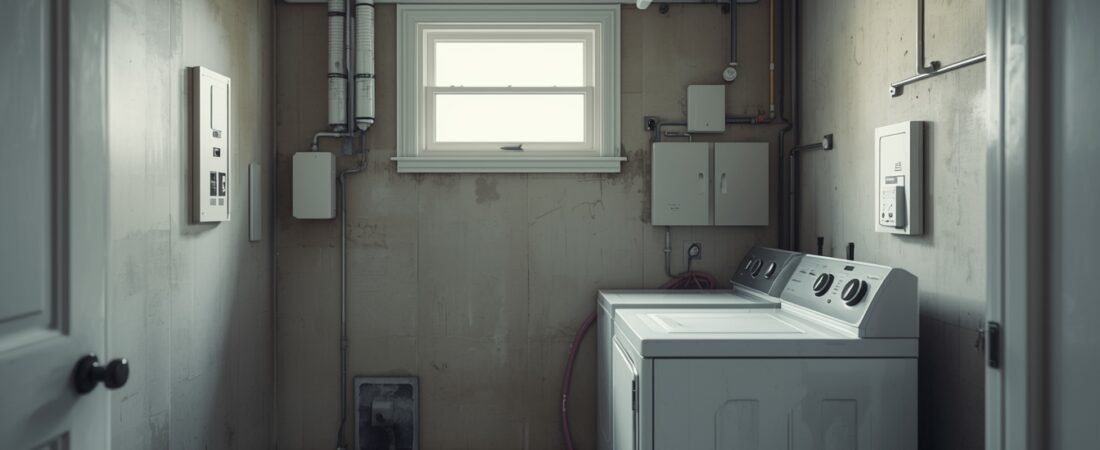
Homes contain many systems that support everyday living. Appliances operate regularly, doors and fixtures are used daily, and electrical components quietly perform their functions.
When caring for a home, two general approaches are often discussed: preventative care and reactive care. Understanding the difference between these approaches can help homeowners think about maintenance in a practical way.
What Preventative Care Means
Preventative care involves taking small actions before a problem develops. The goal is to maintain systems so they continue functioning as expected.
Preventative actions are usually simple and may include:
- Cleaning vents or filters periodically
- Checking hardware for looseness
- Observing how appliances normally operate
- Replacing small components before they stop working
These tasks are typically performed while systems are still operating normally.
Preventative care focuses on maintaining the condition of the home over time.
For a broader explanation of how proactive care supports household systems, see Preventative Maintenance: Reducing Problems Before They Start.
What Reactive Care Means
Reactive care occurs when attention is given after something stops working or begins to show clear signs of failure.
In this approach, action is taken only when a problem becomes noticeable.
Examples of reactive care may include:
- Repairing a broken door latch
- Fixing an appliance that has stopped working
- Replacing a damaged fixture
- Addressing a component that has worn out completely
Reactive care is common in many homes because issues are often addressed when they become obvious.
Why Both Approaches Exist
In reality, most homes involve a combination of preventative and reactive care.
Some systems are maintained regularly because small actions are easy to perform. Others may receive attention only when they begin to show signs of change.
For example:
- Batteries in safety devices may be replaced regularly as a preventative measure
- Appliance repairs may occur only when the appliance stops working
Both approaches are part of normal household care.
How Preventative Care Supports the Home
Preventative care can help maintain the condition of many household systems. When small tasks are performed occasionally, they may help reduce strain on components and allow systems to continue operating smoothly.
Examples include:
- Cleaning ventilation openings to support airflow
- Tightening hardware that moves frequently
- Observing seals and components for gradual wear
These actions often require little time but support the long-term stability of household systems.
Recognising When Reactive Care Is Needed
Even with preventative care, some household components eventually reach the end of their normal lifespan. When this happens, reactive care becomes necessary.
Examples might include replacing an appliance component or repairing a fixture that no longer operates correctly.
Recognising when reactive care is appropriate allows homeowners to address issues calmly when they arise.
A Balanced Approach to Household Care
Understanding preventative and reactive care helps homeowners view maintenance as a practical process rather than a strict set of rules.
Most homes benefit from a balance of both approaches. Occasional preventative actions help maintain systems, while reactive care addresses issues that naturally appear over time.
This balanced perspective allows homeowners to maintain their homes without unnecessary pressure while remaining aware of how everyday use gradually affects household systems.