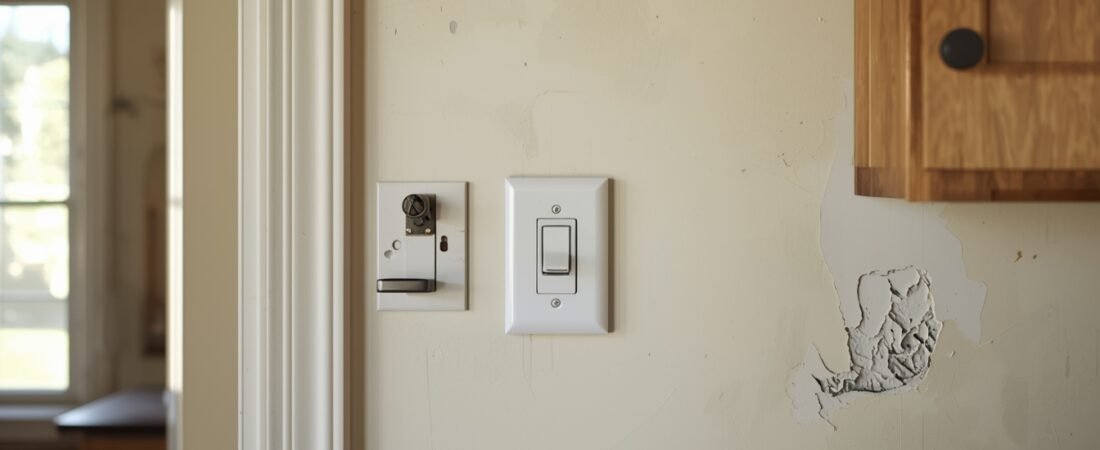
Many people expect their homes to remain stable for long periods without much attention. While modern homes are designed to be durable, they still contain many systems and materials that benefit from occasional care.
Understanding realistic maintenance expectations helps homeowners approach household care calmly and practically. Rather than viewing maintenance as a constant task, it can be seen as part of the normal rhythm of living in a home.
Why Homes Require Ongoing Care
Homes contain a wide range of materials and systems. Appliances, fixtures, wiring, flooring, and structural components all work together to support everyday living.
Over time, these systems experience regular use and environmental changes. Temperature fluctuations, humidity, and daily activity can slowly affect materials.
For example:
- Hinges may loosen with repeated movement
- Appliance filters may collect dust
- Seals may gradually lose flexibility
- Electrical switches may wear with frequent use
These types of changes occur slowly and usually require only minor attention.
For a broader explanation of how routine care fits into household management, see Home Maintenance Basics: What Caring for a Home Really Involves.
The Difference Between Constant Work and Periodic Care
One common misconception is that maintaining a home requires constant effort. In reality, most maintenance tasks occur occasionally rather than every day.
Many homeowners find that care naturally falls into a few simple categories:
Occasional small adjustments Tightening hardware or adjusting small components when they feel loose.
Routine checks Looking over appliances or fixtures periodically to ensure they appear to be operating normally.
Seasonal awareness Noticing how certain systems respond to seasonal temperature changes.
These types of observations rarely require major effort but help homeowners stay familiar with their home’s condition.
How Homes Gradually Age
Just as household systems experience wear, homes themselves change slowly over time. Materials expand, contract, and settle as part of normal building behaviour.
This process can result in small adjustments such as:
- Doors needing occasional alignment
- Seals gradually stiffening
- Fixtures loosening slightly with use
- Minor cosmetic changes appearing in surfaces
These gradual changes are typical and rarely indicate serious problems.
Understanding this helps homeowners maintain realistic expectations about how homes evolve.
Why Small Tasks Often Go Unnoticed
Because most maintenance tasks are minor, they are often postponed or overlooked. A loose handle or hinge may remain unchanged for months simply because it does not interfere with daily life.
However, small tasks can sometimes prevent more noticeable issues from developing.
Examples include:
- Tightening loose hinges before alignment changes
- Cleaning appliance vents before airflow becomes restricted
- Replacing small components before they stop working entirely
These small actions are part of the normal care of a lived-in home.
This idea is explored further in Why Small Tasks Matter, which explains how routine care supports long-term household stability.
Building Realistic Expectations
Approaching maintenance with realistic expectations often helps homeowners feel more comfortable with the process.
Rather than expecting perfection, it can be helpful to view a home as an environment that gradually responds to everyday living.
Maintenance does not require constant attention. Instead, it usually involves small observations and occasional adjustments over time.
When homeowners understand this rhythm, caring for a home becomes a manageable part of everyday life rather than something that feels overwhelming.