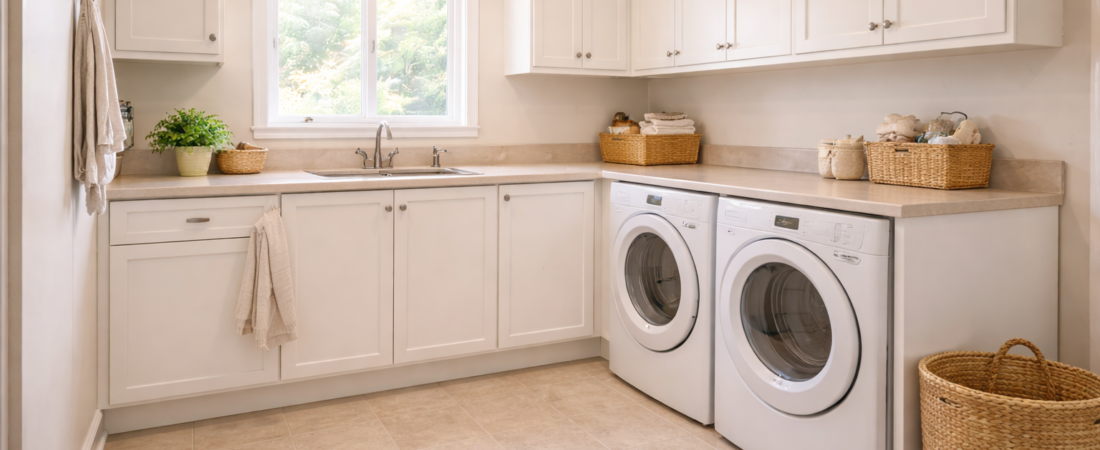
Routine care is the quiet work that keeps a home functioning smoothly over time. It rarely draws attention, yet it plays a central role in preventing deterioration, avoiding unnecessary repairs, and maintaining a safe living environment.
This article explains how routine care and upkeep protect the home, why small tasks matter more than they appear, and how understanding maintenance frequency helps households stay ahead of problems without constant effort.
Daily, Weekly, and Seasonal Care Explained
Not all maintenance tasks require the same level of attention. Routine care works best when tasks are spread across appropriate timeframes rather than handled all at once.
Daily care usually involves awareness rather than action. Noticing unusual sounds, moisture, or wear helps identify issues early. Weekly care often includes light cleaning, checking high-use areas, and resetting spaces that experience regular wear. Seasonal care addresses changes in weather and usage patterns, such as ventilation, drainage, or outdoor exposure.
Understanding these rhythms prevents tasks from piling up and reduces the likelihood of missing important checks.
Why Small Tasks Matter
Small maintenance tasks protect the home by addressing minor issues before they escalate. A small adjustment, cleaning step, or inspection can prevent damage that would otherwise require repair.
Because these tasks are brief, they are easy to postpone. However, repeated postponement allows wear to accumulate unnoticed. Over time, this accumulation leads to larger, more disruptive problems.
Routine care works because it reduces the impact of wear incrementally, spreading effort across time rather than concentrating it during emergencies.
Maintenance Frequency and Home Wear
Every part of a home experiences wear at a different rate. High-use areas and systems require more frequent attention, while others need only periodic checks.
Maintenance frequency is influenced by:
-
How often a space or system is used
-
Environmental conditions such as moisture or temperature
-
The age of materials and fixtures
-
Household routines and occupancy levels
Matching care frequency to actual use keeps maintenance practical and prevents unnecessary work.
Common Care Tasks People Skip
Some routine tasks are commonly overlooked because they do not feel urgent. These may include checking seals, clearing small build-ups, monitoring ventilation, or reviewing areas that are out of sight.
Skipping these tasks does not cause immediate failure, which makes them easy to ignore. Over time, however, neglect increases the likelihood of wear progressing unnoticed.
Routine awareness helps ensure that overlooked areas receive occasional attention without becoming a burden.
Building Maintenance Awareness
Maintenance awareness means knowing how the home behaves under normal conditions. This includes understanding typical sounds, smells, temperatures, and movement.
When changes occur, awareness allows them to be recognised early. This does not require technical expertise, only familiarity with the home’s usual state.
Awareness turns routine care into observation rather than constant action, making upkeep less intrusive and more sustainable.
Care Versus Over-Maintenance
Routine care does not mean constant intervention. Over-maintenance can be inefficient and unnecessary, leading to fatigue and reduced follow-through.
Effective care focuses on:
-
Tasks that protect function and safety
-
Interventions that align with wear patterns
-
Adjustments made when conditions change
This balance prevents routine care from becoming overwhelming while still providing protection.
Making Routine Care Sustainable
Sustainable upkeep fits into everyday life without requiring major time commitments. It relies on simple actions repeated consistently rather than intensive effort applied occasionally.
When routine care feels manageable, it becomes easier to maintain. Homes that benefit from steady upkeep tend to feel more predictable and less stressful to manage.
Looking Ahead
Routine care and upkeep form the foundation of long-term home maintenance. In the next articles, we will explore how routine tasks differ by room, how preventative maintenance reduces long-term costs, and how safety awareness fits into everyday home care.
Together, these topics support a calm, realistic approach to maintaining a home through small, steady actions over time.