Most household items do not fail suddenly without warning.
They gradually wear, loosen, fade, or become less reliable. Replacement timing is rarely about dramatic breakdown. It is usually about recognising when something has quietly reached the end of its useful life.
Understanding this reduces stress and prevents reactive decision-making.
Everything in a Home Has a Lifespan
No component in a home lasts forever.
Hinges loosen. Seals compress. Switches soften. Cords stiffen. Filters clog. Paint loses adhesion. Small systems that once worked smoothly begin to feel slightly different.
These changes often happen slowly enough that they are easy to ignore.
Replacement timing begins with accepting that gradual decline is normal, not unusual.
Wear Is Different From Failure
A failed item no longer works.
A worn item still works, but not as well as it once did.
Examples include:
Cabinet doors that no longer close cleanly
Appliance buttons that require firmer pressure
Bathroom fans that sound louder than before
Power cords that feel stiff or slightly twisted
Window seals that no longer sit evenly
None of these necessarily indicate emergency.
They indicate progression.
Replacement timing is about identifying when wear crosses the line into reduced reliability.
Many components can function longer with steady upkeep, which is why understanding preventive maintenance in the home helps delay unnecessary replacement.
Functional Decline Is the Key Signal
Replacement decisions should focus on function, not appearance.
An item may look dated but still operate reliably.
Another may look fine but require repeated adjustment to keep working.
Questions that help guide timing include:
Does it require increasing effort to use?
Is it becoming inconsistent?
Does it need frequent minor correction?
Is performance noticeably reduced?
When the answer becomes “yes” more often than “no,” replacement may be more practical than continued adjustment.
The Cost of Waiting Too Long
Delaying replacement is common.
Household systems are often left alone until they stop entirely. In many cases, this works. In some cases, it creates larger inconvenience.
For example:
A deteriorating washing machine seal may eventually leak.
An ageing outlet may loosen and fail to hold plugs securely.
A worn appliance switch may stop responding altogether.
Replacement timing is not about acting early out of fear. It is about avoiding predictable disruption.
Common Household Items With Predictable Lifespans
Some components have broadly understood life ranges.
Examples include:
Water filters
Smoke alarm units
Appliance door seals
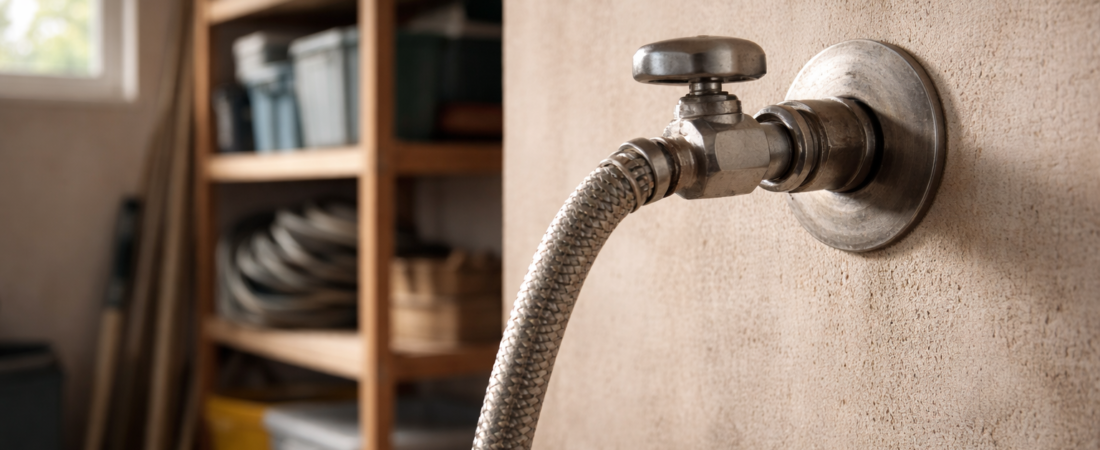
Flexible supply hoses
Light switches
Power strips
Exhaust fans
Manufacturers often publish estimated service lives. These are guidelines, not exact dates.
Usage level, environment, and maintenance habits influence how long something lasts.
Signs That Replacement Is Reasonable
Replacement becomes reasonable when:
Repairs are becoming repetitive
Performance is declining despite cleaning or adjustment
Parts are no longer easily available
The item has exceeded its typical service range
The cost of repair approaches replacement cost
At this stage, replacement restores stability rather than introducing change.
Planning Replacements Reduces Stress
Unexpected failures create urgency.
Planned replacements create control.
A simple household log can help track:
Installation dates
Filter change intervals
Warranty periods
Observed wear patterns
This does not need to be detailed. Even a basic record reduces uncertainty.
When something eventually needs replacing, the decision feels routine rather than reactive.
Replacement Is Part of Normal Home Ownership
Replacement is not a sign that something went wrong.
It is a normal part of how homes function over time.
Small systems are designed to operate for a defined period. When that period ends, replacing them restores reliability.
Understanding replacement timing shifts the focus from “Why did this fail?” to “This has reached its service life.”
Replacement decisions sit within the broader structure of home maintenance basics, where upkeep and timing work together.
That perspective keeps maintenance calm, steady, and predictable.
Related Guides
- How Long Should Smoke Alarms Last?
- Signs It’s Time to Replace Smoke Alarms
- Is It Safe to Keep Using Old Smoke Alarms?
- What Happens If You Don’t Replace Smoke Alarms
- How Long Should Power Boards and Surge Protectors Last?
- Signs It’s Time to Replace a Power Board
- Is It Safe to Keep Using a Damaged Power Board?
- What Happens If You Don’t Replace Surge Protectors
- How Long Should a Washing Machine Last?
- Signs It’s Time to Replace a Washing Machine
- Repair vs Replace a Washing Machine
- How Long Should a Mattress Last?
- Signs It’s Time to Replace a Mattress
- What Happens If You Don’t Replace an Old Mattress