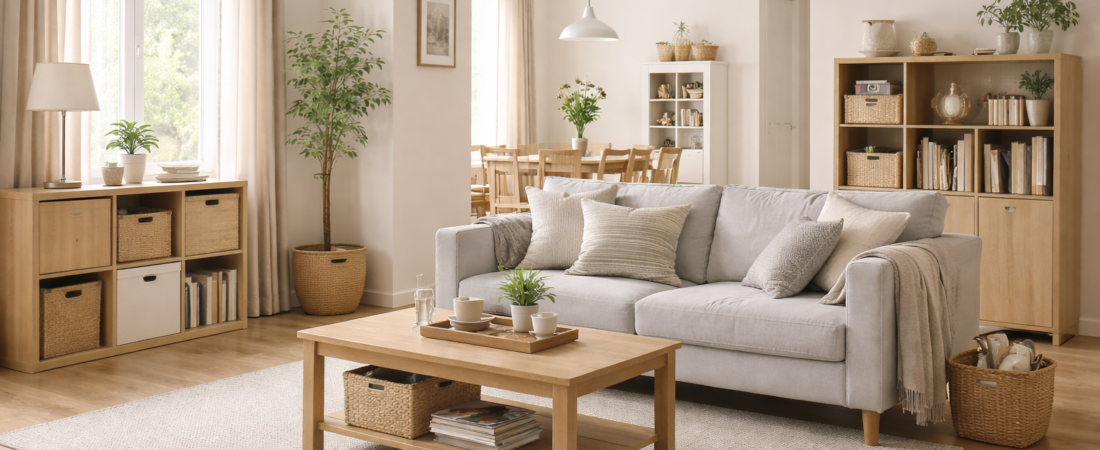
Home maintenance is often thought of as fixing things when they break. In reality, home maintenance basics involve a broader set of small, ongoing actions that help a home function as intended over time.
Rather than reacting to problems, maintenance focuses on awareness, care, and early attention to changes in how a home behaves.
Maintenance Is About Ongoing Attention
Every home changes gradually. Materials expand and contract, surfaces wear, seals loosen, and systems age. Maintenance involves noticing these changes and responding before they turn into faults.
This attention does not require technical skill. It is mostly about observation and familiarity with the home’s normal condition.
Care Happens in Small, Repeated Actions
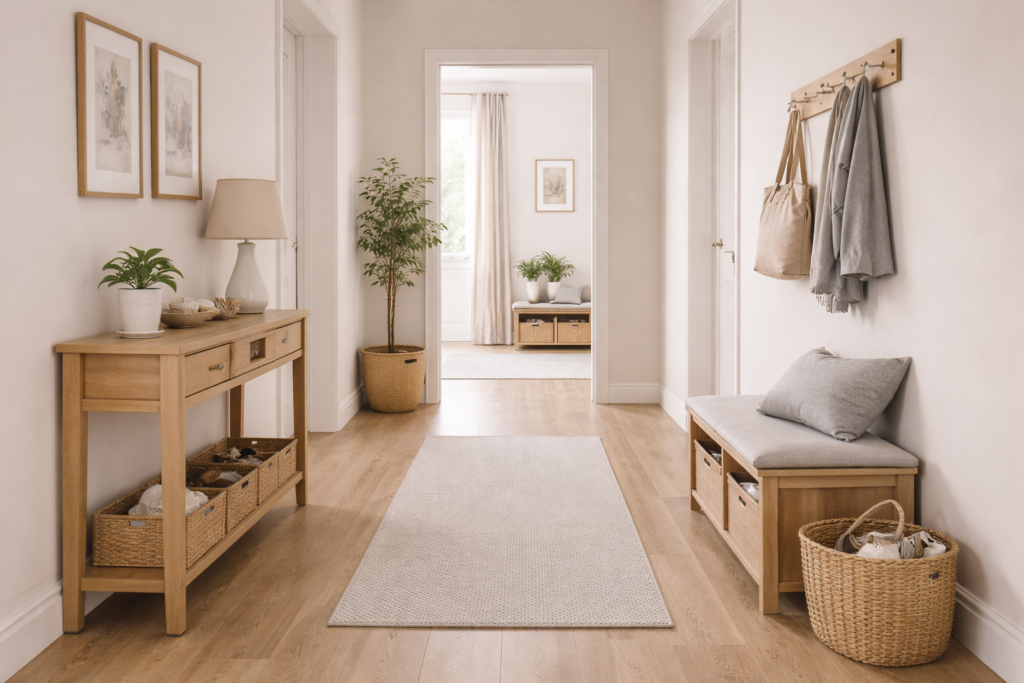
Most maintenance work is made up of simple tasks repeated occasionally. These include cleaning, checking, adjusting, and clearing.
Examples include wiping moisture from surfaces, clearing drainage paths, checking moving parts, and noticing unusual sounds or smells. None of these tasks are complex, but together they reduce long-term strain on the home.
Maintenance Is Different From Repairs
Repairs address problems that have already developed. Maintenance aims to prevent those problems from forming in the first place.
A home that receives basic care tends to experience fewer sudden failures, less disruption, and lower overall repair costs over time.
Systems and Surfaces Both Matter
Maintenance applies to both visible surfaces and hidden systems. Floors, walls, fixtures, and fittings all experience wear. Plumbing, ventilation, electrical components, and structural elements also change with use and age.
Good maintenance does not require constant access to hidden areas. It relies on routine awareness and responding when something feels different from normal.
Maintenance Supports Long-Term Stability
When care is consistent, homes tend to age more evenly. Problems are smaller when they are addressed early, and living spaces remain easier to use and manage.
Maintenance is not about perfection. It is about keeping the home functioning comfortably and predictably over time.
Understanding the Scope Reduces Overwhelm
Many people avoid maintenance because it feels vague or endless. In practice, it is limited, repeatable, and manageable when broken into small actions.
Once the scope of maintenance is understood, it becomes part of normal household rhythm rather than an ongoing source of stress.