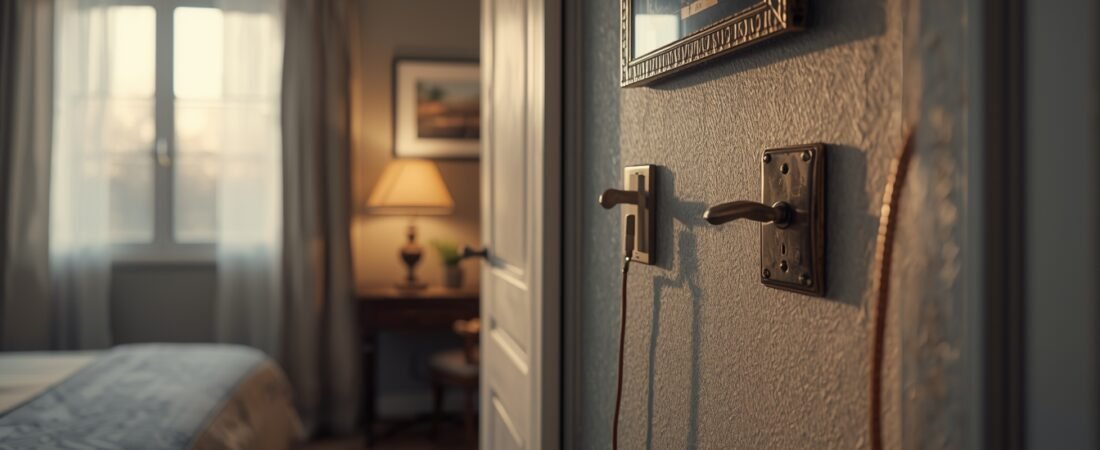
As homes age, the materials and systems within them gradually respond to years of everyday use. Doors, fixtures, appliances, and structural components all experience small changes as part of their normal lifespan.
Understanding how homes age can help homeowners maintain awareness of their living environment without assuming that every change indicates a serious problem.
How Homes Change Over Time
All homes evolve as they are lived in. Daily activities, temperature changes, and regular use affect materials gradually.
Over long periods, homeowners may notice subtle changes such as:
- Doors moving slightly differently
- Hardware loosening with repeated use
- Surfaces showing signs of everyday contact
- Fixtures responding differently to movement
These changes usually develop slowly and are part of normal household ageing.
For a broader explanation of maintaining safe living environments, see Home Safety and Practical Care: Maintaining Safe Living Environments.
The Role of Awareness in Older Homes
In homes that have been lived in for many years, familiarity often becomes an important part of maintenance.
Homeowners who have spent time in the same environment usually recognise how systems normally behave.
For example, they may know:
- The typical sound of an appliance operating
- The way doors usually close
- The feel of switches and handles during everyday use
This familiarity helps people recognise gradual changes over time.
Common Areas of Wear in Ageing Homes
Certain parts of a home may experience more noticeable wear simply because they are used frequently.
Examples include:
- Door hinges and latches
- Electrical switches and outlets
- Appliance controls and handles
- Flooring in main walkways
These areas often show gradual changes as the home continues to be used.
Observing these components occasionally helps maintain awareness of how the home is evolving.
Maintaining Safety Through Familiarity
In many cases, homeowners maintain safety simply by remaining familiar with their surroundings.
When something changes noticeably, it may stand out because it behaves differently from what is expected.
This awareness allows homeowners to respond calmly if attention is needed.
Accepting Natural Ageing
It is important to recognise that ageing is a normal part of any home’s life cycle. Materials do not remain unchanged forever, and gradual wear is expected.
Understanding this helps homeowners approach household changes without unnecessary concern.
Instead of viewing ageing as a problem, it can be seen as a natural part of living in a home over time.
A Practical Perspective on Older Homes
Ageing homes often remain comfortable and functional for many years. With simple awareness and occasional attention to household systems, homeowners can continue living safely in their environment.
By recognising how homes change gradually, people can maintain a balanced approach to household care and safety awareness.