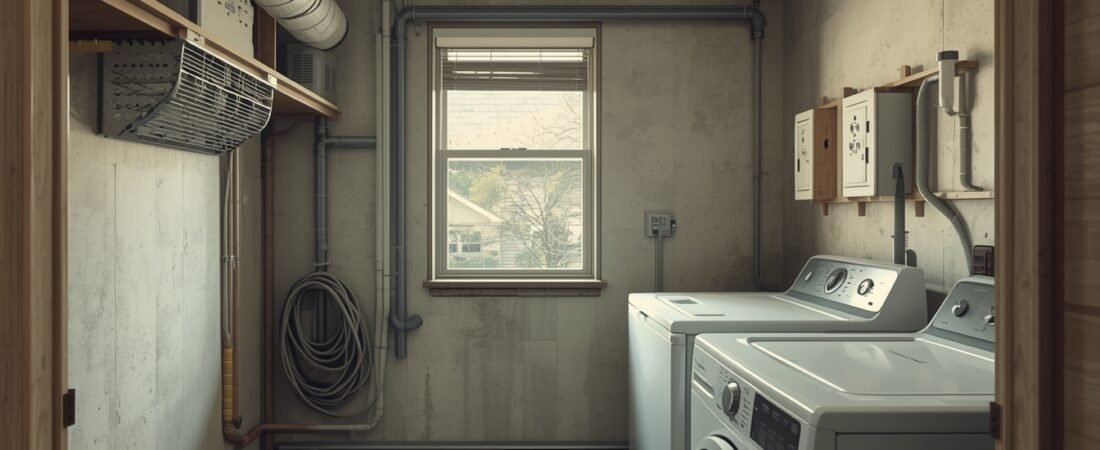
Preventative maintenance is often discussed as an important part of caring for a home. While the concept may sound technical, in practice it usually involves simple actions that help household systems continue operating as expected.
Most preventative maintenance tasks are small and routine. They occur before a problem develops and often take only a few minutes to complete.
Understanding what preventative maintenance looks like in everyday situations can help homeowners approach household care in a practical and manageable way.
The Purpose of Preventative Maintenance
The main goal of preventative maintenance is to support the normal operation of household systems. By paying occasional attention to fixtures, appliances, and small components, homeowners can help ensure that these systems continue working smoothly.
Preventative maintenance does not mean constantly checking every part of the home. Instead, it usually involves small actions performed occasionally.
These actions may include:
- Observing how fixtures and appliances normally operate
- Tightening small pieces of hardware that move frequently
- Cleaning areas that support airflow or ventilation
- Replacing simple components when they reach the end of their normal lifespan
These tasks are usually straightforward and do not require specialised tools or complex procedures.
For a broader explanation of this approach to home care, see Preventative Maintenance: Reducing Problems Before They Start.
Routine Observations Around the Home
One common form of preventative maintenance involves simple observation. As homeowners move through their home each day, they naturally interact with many systems and fixtures.
By paying attention to how these components feel and operate, people can become familiar with their normal behaviour.
Examples of things homeowners may notice include:
- A door hinge beginning to move slightly differently
- A switch feeling looser than usual
- A vent collecting dust over time
- An appliance control knob rotating more freely
These observations do not necessarily require immediate action. Instead, they help homeowners remain aware of their home’s condition.
Small Adjustments That Support Household Systems
Preventative maintenance may also involve small adjustments when something becomes noticeable.
Examples of these simple adjustments include:
- Tightening a cabinet hinge that has loosened
- Replacing a battery in a safety device
- Cleaning dust from a ventilation opening
- Ensuring outlet plates remain secure
These tasks are typically quick and easy to perform.
By addressing small issues early, homeowners may help maintain the smooth operation of many household systems.
Maintenance as Part of Everyday Living
In many homes, preventative maintenance becomes part of everyday routines rather than a separate project.
For example, a homeowner may notice a loose handle while cleaning a surface and adjust it at the same time. Similarly, a vent may be wiped while dusting nearby areas.
This natural approach helps keep maintenance manageable and integrated into normal household activities.
Understanding That Not Everything Requires Attention
Preventative maintenance does not mean responding to every small change immediately. Homes contain many systems, and it is normal for some components to age gradually without needing constant adjustment.
Instead, preventative maintenance focuses on maintaining awareness and responding when small actions are practical.
This balanced perspective allows homeowners to support their home’s systems without feeling that maintenance is overwhelming.
A Practical Approach to Household Care
When viewed in simple terms, preventative maintenance is often just a series of small actions that help household systems continue functioning comfortably.
By observing fixtures, making occasional adjustments, and responding to gradual changes, homeowners can maintain their homes in a calm and practical way.