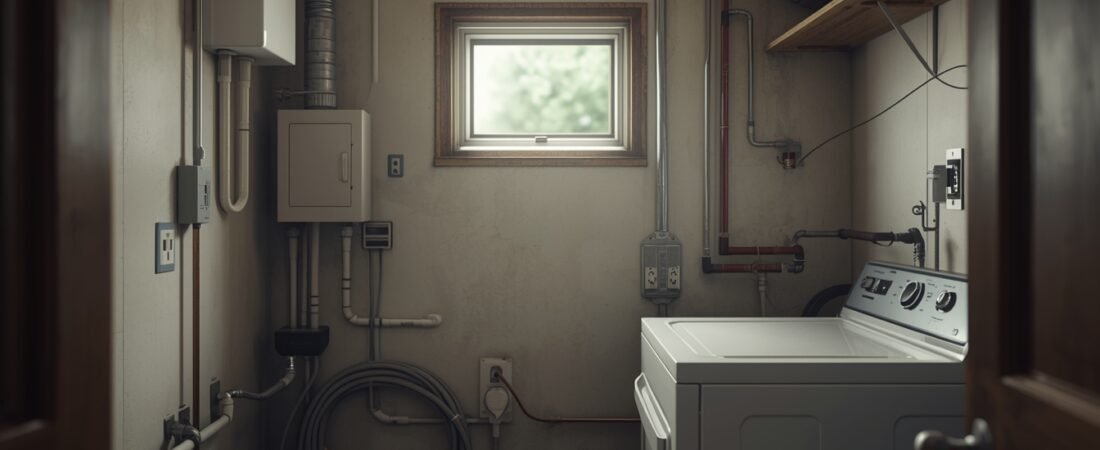
Many household systems operate quietly in the background of daily life. Appliances run regularly, fixtures are used repeatedly, and structural components support the home without requiring much attention.
Over time, however, these systems gradually experience wear. When small changes are noticed early, simple actions may help maintain the system before larger issues develop.
Understanding why prevention often reduces long-term costs can help homeowners approach maintenance in a practical and calm way.
The Gradual Nature of Household Wear
Most household systems do not fail suddenly without any warning. Instead, materials usually change slowly as they respond to regular use.
Examples of gradual wear include:
- Hinges loosening with repeated movement
- Appliance components wearing from regular operation
- Seals losing flexibility over time
- Control knobs or switches becoming less firm
Because these changes develop slowly, they may allow homeowners to respond before larger issues appear.
For a broader overview of preventative care in the home, see Preventative Maintenance: Reducing Problems Before They Start.
How Small Actions Support System Longevity
Preventative care often involves simple tasks that help systems continue functioning as intended.
Examples include:
- Cleaning ventilation openings
- Tightening small hardware
- Replacing simple components before they fail
- Observing appliances for gradual changes
These tasks are usually quick and require minimal resources.
By addressing small changes early, homeowners may help avoid situations where more complex repairs become necessary.
The Difference Between Adjustment and Replacement
One reason prevention can reduce costs is that small adjustments are usually easier than full replacements.
For example:
- Tightening hardware is often simpler than replacing an entire fixture
- Cleaning a vent may help maintain airflow before components become strained
- Replacing small parts early may prevent strain on larger systems
When these small actions are delayed for long periods, systems may continue operating under increasing wear.
Eventually this may lead to more significant repairs.
Time as an Important Factor
Time plays an important role in household maintenance. Systems that receive occasional attention often continue operating smoothly for longer periods.
When small tasks are postponed indefinitely, wear may continue unnoticed until it becomes more visible.
This does not mean that every small change requires immediate attention, but occasional observation can help homeowners remain aware of their home’s condition.
Prevention as Part of Everyday Awareness
Preventative care does not always require formal maintenance routines. In many homes, it simply involves noticing small changes during normal daily activities.
For example:
- Observing how a door moves when opening
- Noticing how an appliance sounds during operation
- Recognising when hardware begins to feel loose
These small observations help homeowners maintain awareness of their environment.
A Practical Long-Term Perspective
Approaching household care with a preventative mindset allows homeowners to respond to gradual changes calmly. Instead of waiting for problems to appear suddenly, they remain aware of how systems evolve over time.
This balanced approach helps maintain the home while supporting long-term stability and reducing the likelihood of larger repairs in the future.