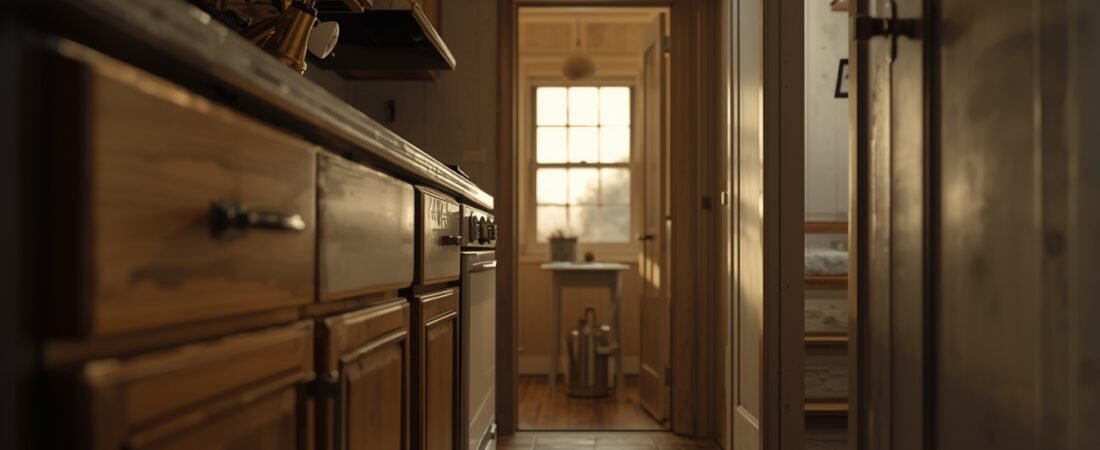
Bedrooms are often among the quieter spaces in a home, yet they still contain many fixtures and systems that experience daily use. Doors are opened and closed, lights are switched on and off, and furniture and storage areas are used regularly.
Because bedrooms are generally calm environments, small changes may go unnoticed for long periods. Understanding basic bedroom maintenance considerations helps homeowners remain aware of these gradual changes without feeling the need for constant attention.
Everyday Use of Bedroom Spaces
Bedrooms support daily routines such as dressing, resting, and storing personal belongings. Although the activity level may be lower than in kitchens or living areas, repeated use still affects fixtures and surfaces over time.
Common elements in bedrooms include:
- Light switches and electrical outlets
- Closet doors and storage hardware
- Interior door handles and hinges
- Small furniture or storage units
These components are designed to withstand regular use, but gradual wear is still a natural part of their lifespan.
For a broader overview of caring for different parts of the home, see Room-by-Room Home Care: Practical Maintenance for Everyday Spaces.
Closet Doors and Storage Hardware
Closets are opened and closed frequently, especially during daily routines. Hinges, sliding tracks, or door latches may slowly experience small adjustments as they move repeatedly.
Common observations include:
- Closet hinges loosening slightly
- Sliding doors moving less smoothly over time
- Small handles shifting slightly with use
These changes often occur slowly and may remain unnoticed until they become more obvious.
Occasionally observing these components helps maintain smooth operation.
Electrical Fixtures and Lighting
Bedrooms often contain several electrical components such as switches, outlets, and lamps. These devices are usually simple and durable but may change slightly with long-term use.
Examples of gradual changes include:
- Switches that feel slightly looser
- Outlet plates shifting subtly on the wall
- Lamp cords settling into new positions over time
These small adjustments are part of normal household use and rarely require urgent attention.
Maintaining awareness of how electrical fixtures normally feel can help homeowners recognise gradual changes.
Doors and Interior Hardware
Bedroom doors are opened and closed frequently throughout the day. Hinges, latches, and handles experience repeated movement during normal use.
Over time this movement may result in:
- Slight hinge loosening
- Door latches requiring small adjustments
- Handles rotating more freely
These changes usually develop slowly and are often easy to address if noticed.
Maintaining a Comfortable Environment
Bedrooms are designed to support rest and comfort, so maintenance in these spaces is usually minimal. Most care involves simple awareness of the fixtures and systems that support daily routines.
By occasionally observing doors, switches, and storage hardware, homeowners can remain familiar with how their bedroom environment functions.
This calm awareness helps ensure the space remains comfortable and functional over time without requiring complex maintenance tasks.