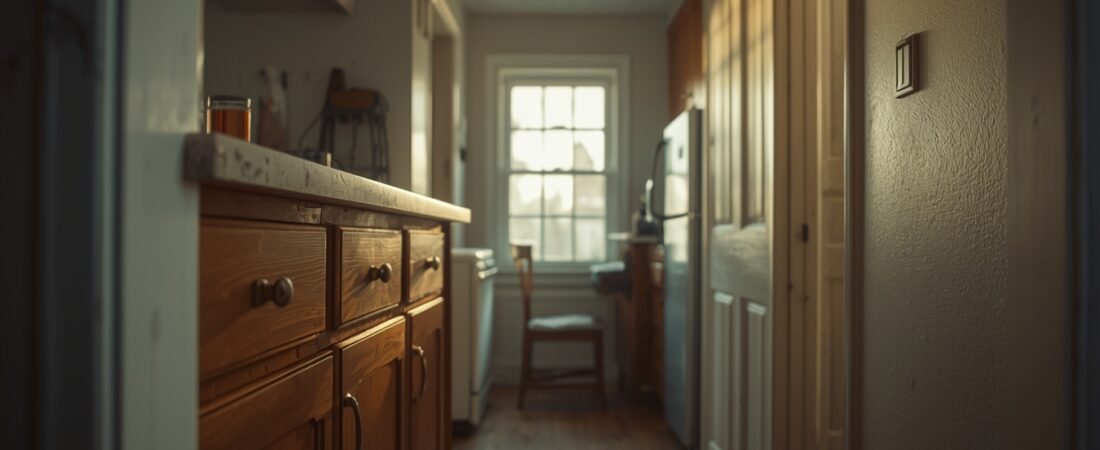
Living areas often serve as the central spaces of a home. These rooms may include lounges, family rooms, hallways, and other shared areas where people spend time throughout the day.
Because these spaces are used frequently, they naturally experience gradual changes over time. Understanding the basics of general upkeep helps homeowners maintain comfort in these areas without needing complex maintenance routines.
How Living Areas Are Used Every Day
Unlike specialised rooms such as kitchens or bathrooms, living areas support a wide range of everyday activities. People move through these spaces frequently, open and close doors, operate lights, and interact with furniture and fixtures.
Common elements in these spaces include:
- Light switches and electrical outlets
- Interior doors and handles
- Flooring surfaces
- Storage cabinets or shelving
These components are used repeatedly and gradually respond to everyday living.
For a broader overview of caring for different parts of the home, see Room-by-Room Home Care: Practical Maintenance for Everyday Spaces.
Door Hardware and Hinges
Interior doors are among the most frequently used components in many homes. Each time a door is opened or closed, small movements occur in hinges and latches.
Over time this repeated motion may cause minor changes such as:
- Hinges loosening slightly
- Door handles shifting slightly
- Latches requiring a little more alignment
These changes are common and usually occur slowly.
Occasionally observing door hardware can help maintain smooth operation.
Electrical Switches and Outlets
Light switches and electrical outlets are used many times throughout the day. These simple devices are designed for frequent operation, but they may gradually feel different after long periods of use.
Examples include:
- Switches that feel slightly looser
- Outlet plates shifting slightly on the wall
- Control buttons that respond differently
These small changes are usually part of normal wear rather than signs of serious problems.
Maintaining awareness of how these systems normally function helps homeowners notice gradual changes over time.
Flooring and Traffic Patterns
Living areas often experience steady foot traffic, especially in hallways and main rooms.
Because of this, flooring surfaces may gradually show subtle patterns of use.
These changes might include:
- Slight smoothing of certain areas
- Small scuff marks from regular movement
- Gradual shifts in how surfaces feel underfoot
These signs simply reflect how the space is used.
Routine cleaning and observation usually help maintain the appearance and condition of these surfaces.
Maintaining Shared Household Spaces
Living areas often connect many parts of a home, which means they support a wide range of daily activities.
Because these rooms are used so frequently, small changes may appear gradually in fixtures and materials.
Approaching upkeep calmly allows homeowners to maintain these spaces without feeling that constant attention is required.
By occasionally observing doors, switches, and surfaces, people can remain familiar with how their living areas function and evolve over time.