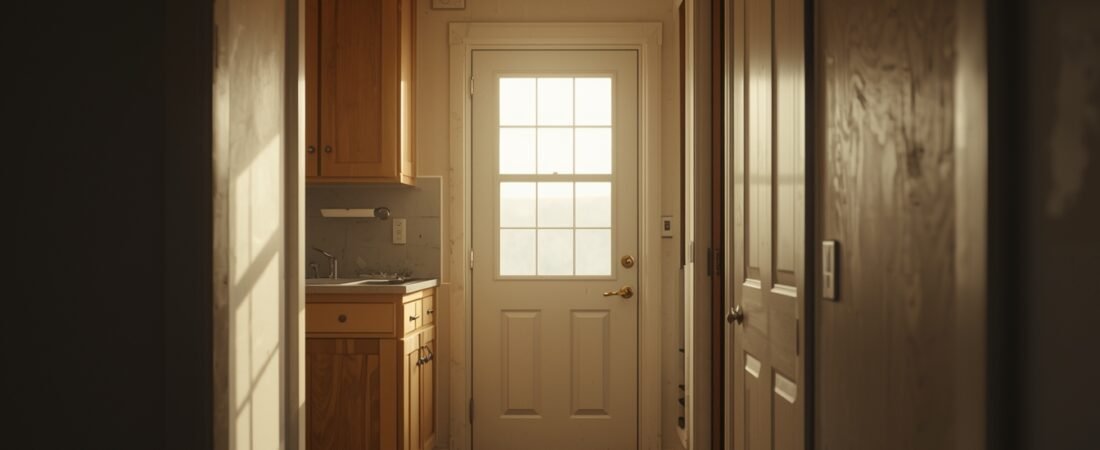
Many people think of home maintenance as a list of tasks that must be completed regularly. While checklists can be helpful, another important aspect of caring for a home is simple awareness.
Maintenance awareness refers to the gradual familiarity homeowners develop with how their home normally functions. This awareness allows people to recognise small changes over time without needing to constantly inspect every system.
Becoming Familiar With Everyday Household Systems
Every home contains systems that operate quietly in the background. Electrical outlets, appliances, door hinges, and ventilation systems all support daily living.
When people live in the same home for a while, they naturally become familiar with how these systems behave.
For example, homeowners may notice:
- The normal sound of an appliance running
- The way a door usually closes
- The typical feel of a control knob or switch
- The airflow from a ventilation fan
These small observations help people recognise when something begins to feel slightly different.
For a broader overview of how everyday care supports the home, see Routine Care and Upkeep: How Small Tasks Protect the Home.
Why Awareness Develops Gradually
Maintenance awareness rarely develops immediately after moving into a home. It usually builds slowly as people interact with their surroundings over time.
Repeated daily actions help people recognise patterns such as:
- How doors move when opened
- How appliances sound when operating normally
- How fixtures feel when used regularly
Because these patterns become familiar, even small changes may stand out.
This gradual process often occurs naturally without homeowners deliberately trying to monitor their home.
Recognising Small Changes
One benefit of maintenance awareness is the ability to notice subtle changes that may otherwise go unnoticed.
Examples might include:
- A hinge beginning to move slightly differently
- An appliance control knob becoming loose
- A light switch feeling less firm than usual
- A door latch requiring more pressure to close
These changes rarely require immediate action, but recognising them helps homeowners understand how their home evolves over time.
Awareness allows people to address small tasks naturally if they choose to do so.
Awareness Without Constant Checking
Maintenance awareness does not require homeowners to constantly inspect their home. Instead, it develops through ordinary daily activities.
For example, while opening a door or using an appliance, people may simply notice how the system feels or sounds.
Because these observations occur naturally, awareness does not create additional work. Instead, it helps homeowners remain familiar with the condition of their home.
This concept relates to Common Care Tasks People Skip, which explains how small tasks sometimes go unnoticed in everyday living.
How Awareness Supports Household Care
Although awareness alone does not replace maintenance tasks, it helps homeowners decide when small adjustments may be helpful.
For example:
- A loose hinge may be tightened when it becomes noticeable
- A dusty vent may be cleaned while wiping nearby surfaces
- A control knob may be adjusted if it feels unstable
These actions often occur naturally once a homeowner becomes familiar with how things normally function.
A Practical Way to Care for a Home
Building maintenance awareness allows homeowners to approach household care calmly. Rather than relying only on strict schedules, they develop a natural understanding of their environment.
Over time this familiarity helps people recognise changes without feeling that maintenance is a constant responsibility.
In many homes, this quiet awareness becomes one of the most practical ways to maintain household systems over the long term.