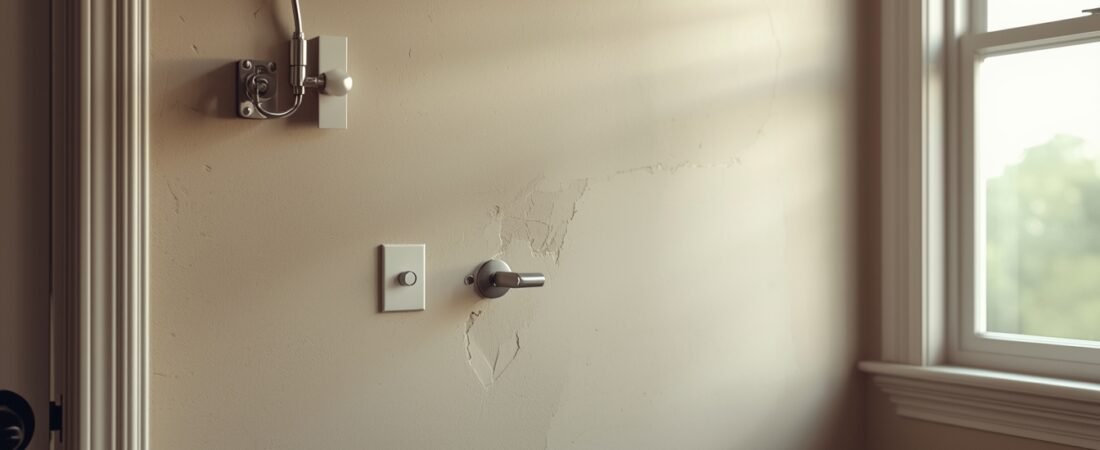
In many homes, daily life runs smoothly for long periods without much attention to the systems and fixtures that support everyday living. Lights turn on, appliances operate normally, and doors open and close without difficulty. Because everything appears to work, small care tasks are often postponed or overlooked.
Over time, however, certain routine tasks tend to be skipped more frequently than others. These tasks are usually simple, but they help maintain the normal function of household systems. Understanding which tasks are commonly missed can help homeowners maintain awareness of their home without feeling overwhelmed.
Why Some Tasks Are Easy to Overlook
Many household care tasks do not demand immediate attention. A loose hinge may still allow a door to function normally, and a dusty appliance vent may not affect performance right away.
Because these issues develop slowly, they are easy to ignore or delay. People often focus on tasks that produce visible results, such as cleaning surfaces or organising rooms, while less visible maintenance may be forgotten.
Another reason small tasks are overlooked is that they often appear minor. A loose screw or worn seal rarely seems urgent, so it may remain unchanged for months or even years.
For a broader explanation of how small actions support the home over time, see Routine Care and Upkeep: How Small Tasks Protect the Home.
Household Hardware That Gradually Loosens
Many homes contain hardware that experiences repeated movement every day. Handles, hinges, and latches are used frequently, and small amounts of movement occur each time they are used.
Over time this movement can slowly loosen small components.
Common examples include:
- Cabinet hinges and door handles
- Drawer pulls in kitchens or bathrooms
- Closet door hardware
- Interior door latches
These components may remain functional even when slightly loose, which is why they are often overlooked.
Occasionally tightening small hardware can help maintain smooth operation.
Appliance Areas That Benefit From Attention
Appliances are often used regularly but may receive little attention beyond normal cleaning. However, certain areas of appliances benefit from occasional checks.
Examples include:
- Vent openings on dryers or refrigerators
- Control knobs that become loose with use
- Seals around appliance doors
- Accessible filters in ventilation systems
When these areas remain unchanged for long periods, gradual wear may become more noticeable.
Observing these small areas occasionally helps homeowners remain familiar with how their appliances normally function.
Safety Devices That Need Simple Checks
Some of the most important household systems are also among the easiest to forget. Safety devices usually operate quietly in the background and may not receive attention unless a problem occurs.
Examples include:
- Smoke alarms
- Carbon monoxide detectors
- Safety switches or circuit breakers
These systems typically require only simple checks, such as confirming batteries or testing functions periodically.
Because they are rarely interacted with during everyday life, they can easily be overlooked.
Developing a Simple Awareness of Household Care
Many homeowners find that small tasks become easier to manage once they develop a general awareness of their home. Rather than scheduling many separate tasks, they simply notice changes as they move through the house.
Examples might include:
- A hinge feeling slightly loose when opening a door
- A vent appearing dusty while cleaning nearby surfaces
- A control knob moving more freely than before
This awareness allows people to respond naturally without feeling that maintenance is a large project.
This gradual familiarity with household systems is discussed further in Building Maintenance Awareness, which explains how homeowners often learn to notice small changes over time.
Accepting That Some Tasks Will Be Missed
It is normal for small maintenance tasks to be forgotten occasionally. Homes contain many components, and it is not practical to monitor everything constantly.
Instead of aiming for perfect upkeep, most homeowners simply respond when something becomes noticeable. This approach keeps maintenance manageable while still supporting the long-term condition of the home.