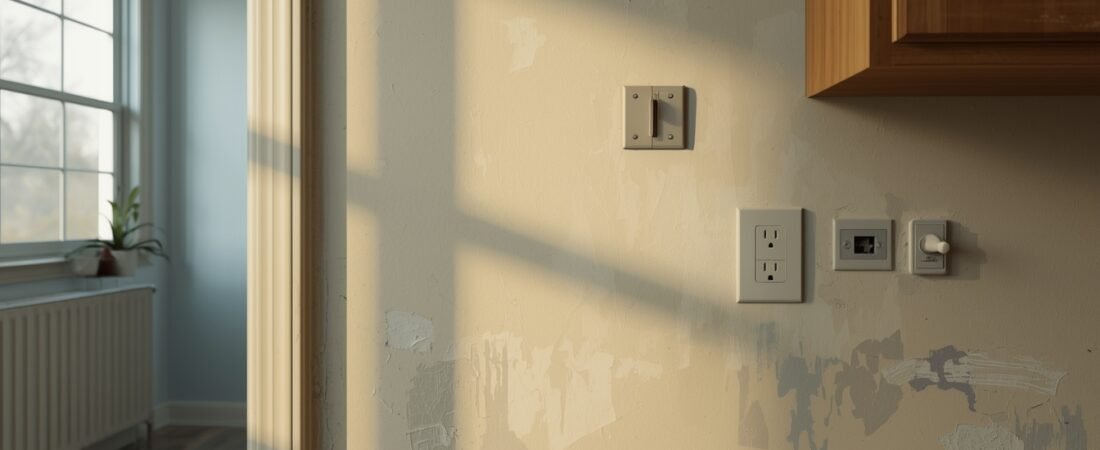
Many homes function well for long periods without any major issues. Lights turn on, appliances run normally, and doors open and close as expected. Because everything appears to work, small tasks around the home can easily be postponed.
However, many aspects of household care involve minor actions that help maintain normal operation. These small tasks may seem insignificant on their own, but together they contribute to the overall condition of a home.
What Counts as a Small Household Task
Small household tasks are simple actions that take very little time but help keep systems working as intended.
Examples include:
- Tightening a loose cabinet hinge
- Replacing batteries in smoke alarms
- Wiping dust from appliance vents
- Checking that outlet plates remain secure
- Closing doors gently to reduce hinge strain
Most of these tasks require only a few minutes and may not even feel like maintenance.
Yet they often help household systems continue operating smoothly.
For a broader explanation of how routine care supports a home, see Routine Care and Upkeep: How Small Tasks Protect the Home.
Why These Tasks Are Often Delayed
Because small tasks rarely create immediate inconvenience, they are easy to overlook. A loose handle may still function well enough to use. A hinge may squeak slightly but still allow the door to open and close.
When daily routines are busy, these minor issues may not seem important.
Common reasons small tasks are postponed include:
- The issue does not affect daily use
- The task appears too minor to address immediately
- Homeowners plan to fix it later but forget
Over time, however, these small details may become more noticeable.
How Small Actions Support Household Systems
Although small tasks may appear minor, they can help maintain the normal operation of many household components.
For example:
- Tightening screws can help maintain door alignment
- Cleaning vents can support airflow in appliances
- Replacing batteries ensures safety devices remain functional
- Adjusting small components prevents gradual strain
These actions do not eliminate wear entirely, but they help systems continue working as designed.
Building Awareness of Everyday Maintenance
Many homeowners gradually develop a sense of awareness about their home. They become familiar with how things normally sound, feel, or operate.
When small changes appear, such as a door closing differently or a control knob feeling loose, they may notice it quickly.
This awareness allows people to address small tasks naturally as part of everyday living.
Developing this awareness is also part of Building Maintenance Awareness, which explores how familiarity with household systems develops over time.
Small Tasks as Part of Daily Living
Rather than thinking of maintenance as a separate activity, many homeowners find that small tasks simply become part of daily routines.
For example:
- Adjusting a loose hinge while cleaning a room
- Replacing a battery when testing a smoke alarm
- Tightening a handle while wiping down a surface
These actions take very little time but contribute to the overall care of the home.
Understanding the value of small tasks helps homeowners approach maintenance calmly. Instead of feeling overwhelming, home care becomes a series of manageable actions that support everyday living.