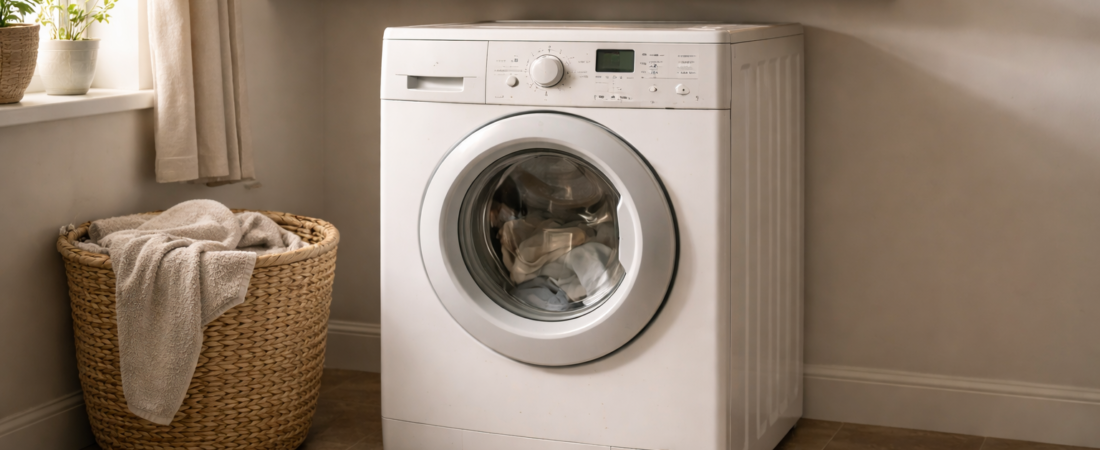
Washing machines are among the most heavily used appliances in a home. They operate under repeated vibration, water exposure, and load stress.
While many machines appear durable externally, internal components gradually wear with normal use.
Understanding typical lifespan expectations helps with planning rather than reacting to sudden failure.
Average Lifespan Range
Most modern washing machines last between 8 and 12 years under typical household conditions.
Front-load and top-load machines fall within a similar overall range, though usage patterns often matter more than design type.
Higher weekly load frequency tends to shorten service life.
Usage Frequency Matters
A machine used once or twice a week may last well beyond ten years.
A machine running daily loads, especially in larger households, experiences more wear on bearings, suspension systems, and motors.
The number of cycles completed over time is often a more meaningful measure than age alone.
Water Quality and Environment
Hard water can contribute to mineral buildup inside valves and heating elements.
Poor ventilation in laundry areas may increase humidity exposure around electronic control boards.
These environmental factors gradually influence longevity even if the machine continues to operate normally.
Early Signs of Ageing
A washing machine approaching end of life may show:
Increased vibration or noise
Longer cycle times
Occasional drainage delays
Minor water retention in the drum
These changes often develop gradually rather than appearing suddenly.
Repair vs Replacement Threshold
When repair costs approach a significant percentage of a new machine’s cost, replacement is often considered.
For example, major bearing or drum repairs late in a machine’s life may not be economically practical.
Planning for replacement before complete failure reduces disruption.
Planning for End of Life
Rather than waiting for a machine to stop mid-cycle, many households begin planning around the ten-year mark.
Budgeting gradually and observing performance changes allows replacement to feel expected rather than urgent.
For broader guidance on how household systems age and when replacement becomes appropriate, see
Replacement Timing in the Home: Knowing When Things Reach End of Life.